Materials
What is Vegetable Leather?
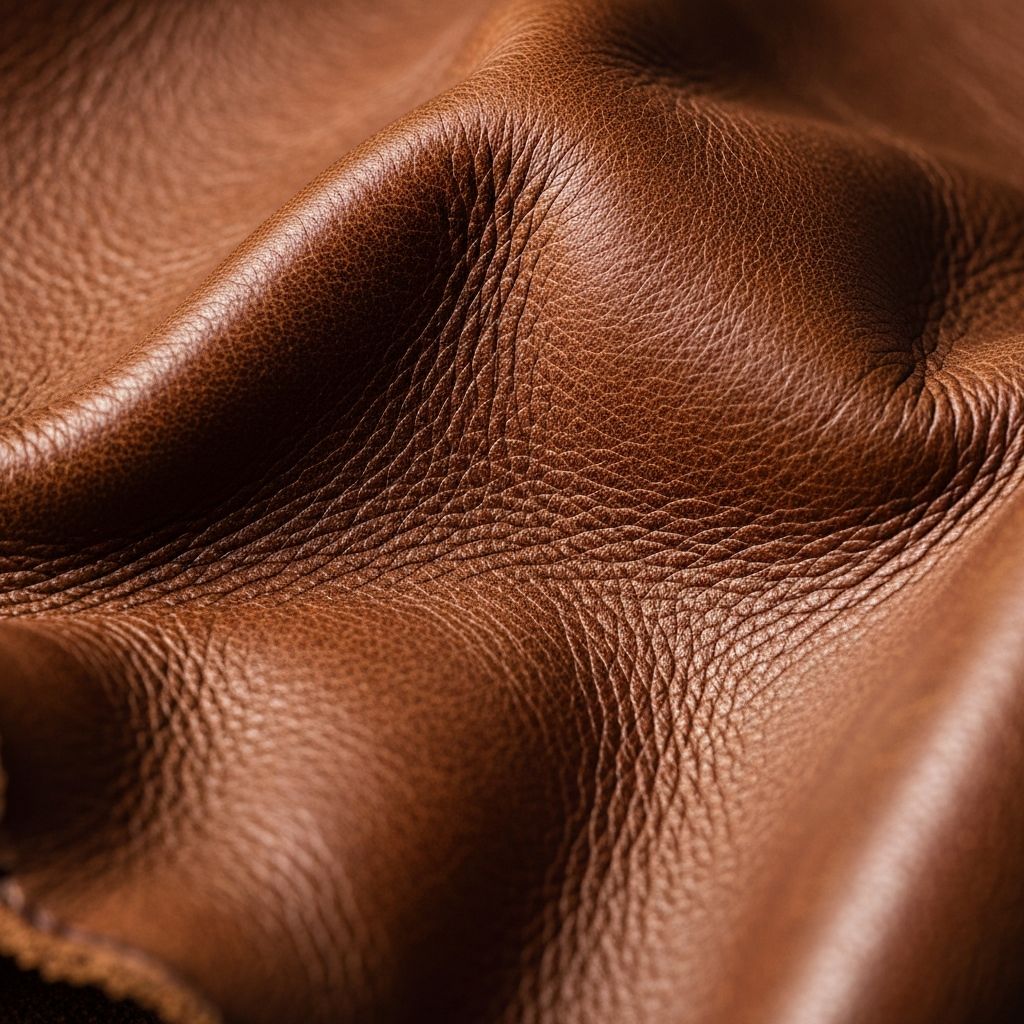
Vegetable-tanned leather is one of the oldest and most responsible ways to tan hides. It develops a rich patina and holds structure, which is why we select it for linings, insoles, and select uppers at O.SUR. Here is a short primer.
How it is tanned
Vegetable tanning uses plant-based tannins from bark and leaves instead of chrome salts. It takes weeks, not days, letting fibers stay dense and breathable.
Why we like it
It patinas beautifully, is kinder to skin, and can be reconditioned for decades. The structure holds stitch tension, perfect for resoleable construction.
Care basics
Brush dry dirt, wipe with slightly damp cloth, then nourish with neutral cream. Avoid soaking; if wet, dry at room temperature with shoe trees inside.
Sustainability
Tanneries recirculate water and reuse bark liquors; hides are a by-product of food industry, keeping materials in circular use.
How we finish it
We condition with natural oils, apply light wax for weather resistance, and burnish edges by hand. This keeps pores open for breathability while giving enough sheen for dress pairs.